
Uncategorized
I suggested a split budget, but she saved up for a getaway without asking and left me solo – Mark, 52.
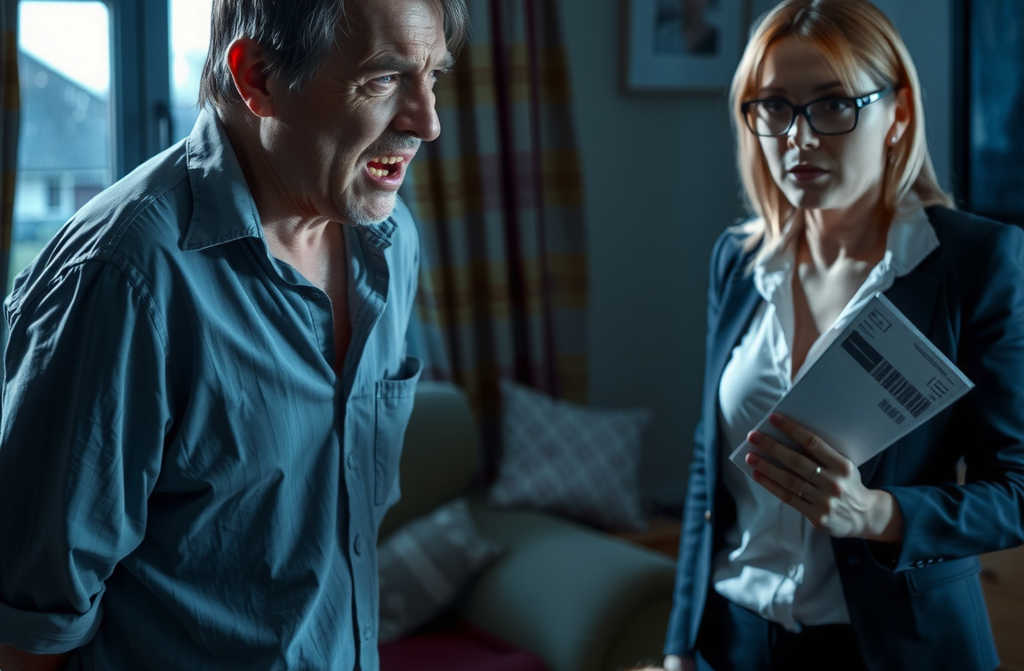
I put forward the idea of a separate budget, and she tucked away money for a getaway without even asking my permission, then packed herself off and left me on my own. George, 52. You wanted a split budget, George
But not *that* split!
How split? So I save and you decide where I can spend?
Truth be told, I still cant pin down the exact moment my brilliant scheme turned against me. At first it seemed sensible, convenient and, most importantly, fairat least in my head, where Ive always cast myself as the chief strategist of the relationship and the woman as the diligent executor, never taking initiative or making independent choices.
Im fiftytwo, not a boy; Ive been through marriage, divorce, plenty of mistakes and hardwon lessons. When I met Eleanor, fortysix, eight years ago, I was convinced Id finally found someone I could live with quietly, without the modern fuss about personal boundaries, financial independence, and the likethings I used to think only muddied a proper manandwoman partnership, where the man was the head and the woman stood by his side.
We lived in my flat in Manchester; it was mine, and I made a point of reminding hersubtly, between the linesthat her comfort came from me. Everything was fine, until a notion struck me, one that would later become the undoing of the system Id been so pleased with.
Separate budget.
I suggested it calmly, without pressure, even with a hint of nobility, explaining that it was modern, honest, transparent, that every adult should be responsible for their own money, that it would erase complaints, misunderstandings and the endless who put in what arguments. To my surprise, Eleanor nodded immediately, without protest, without conditions, without hysteria, and said:
Alright, lets give it a go.
Thats where, looking back, I should have raised an alarm.
A woman who agrees too readily isnt always just compliant; often shes already decided everything in her head, and Im simply out of the loop.
The first months were flawless. We split the grocery bill, utilities, household expenses; each paid his or her share, and I felt everything was finally fair, without the nagging feeling of being used. Honestly, Id been irritated before that I seemed to be paying more, even though I tried not to show itafter all, a man should be generous, within reason.
And then came the beauty of it all.
Everyone for themselves.
But as I later discovered, everyone for themselves wasnt just about cash. It was also about freedom. And I hadnt accounted for that.
Around six months in, I noticed Eleanor changing. Outwardly she was the samecooking, cleaning, caringbut there was a new calm, a confidence, an independence that began to unsettle me. I used to feel she relied on me to some extent; now she didnt.
She stopped consulting me. She stopped asking. She stopped checking in. At first it was the little things, then the bigger ones. New handbags, shoes, other purchases that, in my mind, seemed superfluous, and I couldnt see where the money for them came from, since we were supposed to be saving for a holiday.
Yes, we had agreed to save for a summer trip together, both of us contributing, planning ahead, playing it mature. I assumed shed be as responsible as I was.
Well not quite.
The truth is, my own finances were a mess. Id borrowed from a mate here and there, settled old debts, bought a few odds and endsnothing major, but the sum I was supposed to stash away never quite materialised. I didnt panic, because I was convinced wed sort it out togethersomewhere Id chip in, somewhere shed chip in. After all, this was a relationship, not a ledger.
Eleanor, however, saw it differently. For her, it *was* a ledger.
One evening, she said, deadpan, without any hint of emotion:
Ive bought the tickets.
I stared, stunned.
Tickets for what?
A fourweek seaside holiday, with a friend.
It hit me like a punch.
With a friend? What about me?
You said it was a waste of money, didnt you?
I remembered her suggestion a couple of months earlier to go away together. Id brushed it off, claiming we could have a cheap break at the countryside cottage or a day out in the parkjust like normal people. Shed heard me, drawn her own conclusion, and then set off without me.
You could at least have asked!
Ask about what? Its my money.
Inside me, everything flipped. Formally, yesher money. But it felt wrong. Unfamilylike. Unmanly.
I tried to explain that decisions in a partnership arent made solo, that you dont just up and leave someone behind as if their opinion meant nothing. She looked at me, calm, no shouting, no hysteria, and replied:
You suggested a separate budget. Im just following the rules.
In that instant I realised Id walked into a trap of my own making. In my version of a split budget there was a tiny but crucial clause I never voiced: Id still decide, shed merely *participate*. In reality, shed become an equal. And that equality was the most uncomfortable thing of all.
Equality isnt just about duties; its also about rights. And I wasnt ready for that.
She left, taking the cat, the chores, the house that suddenly felt empty and foreignonce my domain, now a space I no longer controlled. For the first time in years I was truly alonenot physically, but in the deepest sense. No influence, no authority, no familiar role.
She called, texted, sent photos of the sea, described how peaceful and wonderful it was, and every message carried the most aggravating sting: she didnt miss me. She didnt plead to come back. She felt no guilt. That made me wonder whether the problem lay not with her, but with me. Yet admitting that feels bitter. Its easier to think she went over the line, got spoiled, got too much freedom, than to own the fact that Id wanted a tidy model where a woman was independent only as far as it didnt inconvenience me. When true independence arrived, I felt uncomfortable.
She returned a month later, sunkissed, serene, a stranger. We live together again, but the relationship is different. We no longer raise the budget issue. She doesnt either. Between us now sits an invisible, palpable line.
And the most painful realisation? It wasnt about the money, or the holiday. It was about seeing equality not as a lofty word, but as lived realityand disliking what I saw.
The psychologists take
The story exemplifies the clash between proclaimed equality and a hidden need for control. The man proposes a separate budget as a fairness tool, yet secretly expects the informal hierarchyhis decisions still dominant, the woman merely a participant. When she interprets the rules literally and begins acting as an autonomous individual, cognitive dissonance erupts: outward equality, inward loss of power. That breeds irritation, resentment, and attempts to restore the old order through blame and moral pressure.
True equality cant be halfhearted. You cant split expenses while keeping decisionmaking in one partners hands. Financial independence inevitably brings independence in choiceswhere to live, what to spend on, who to travel with.
The heros crisis isnt her act, but the collapse of the comfortable framework where he felt the lead. Until he revises his expectations of a convenient woman, any effort to forge genuinely equal relations will leave him in conflict and disappointment.


Rozstanie na jesieni życia w poszukiwaniu partnerki – i odpowiedź, która odmieniła moje życie.

Rozstanie w starszym wieku w poszukiwaniu partnerki – i odpowiedź, która odmieniła moje życieOdpowiedź, którą usłyszałem, sprawiła, że zrozumiałem, iż życie po siedemdziesiątce dopiero się zaczyna.

Julia poleciała dzień wcześniej niż pozostali na jubileusz swojej teściowej, a gdy właśnie siadała w fotelu samolotu, wzdrygnęła się – ktoś niespodziewanie zawołał ją po imieniu…

Julia przyleciała dzień wcześniej na jubileusz swojej teściowej niż pozostali, a gdy właśnie usiadła w fotelu samolotu, wzdrygnęła się – ktoś niespodziewanie zawołał ją po imieniu…

Julia poleciała dzień wcześniej niż pozostali na jubileusz teściowej, a gdy tylko usiadła w fotelu samolotu, wzdrygnęła się – ktoś niespodziewanie zawołał ją po imieniu…

Julia poleciała dzień wcześniej na jubileusz teściowej niż pozostali, a gdy właśnie usiadła w fotelu samolotu, wzdrygnęła się – ktoś niespodziewanie zawołał ją po imieniu…

Gdy moja teściowa dowiedziała się, że chcemy kupić mieszkanie, wzięła mojego męża na stronę. To, co się potem wydarzyło, wstrząsnęło mną do głębi.

Gdy moja teściowa dowiedziała się, że chcemy kupić mieszkanie, wzięła mojego męża na bok. To, co się potem stało, wstrząsnęło mną do głębi.

Jego kpiny stały się jego zgubą – teraz je w mojej kuchni dla potrzebujących.

Jego kpiny okazały się jego zgubą – teraz je w mojej kuchni dla potrzebującychI patrzyłem, jak przełyka gorzką zupę, a w jego oczach gasła ostatnia iskra dawnej pychy.

Część 2: Teściowa oblała mnie wrzącym olejem za odmowę oddania im mojego spadku – mąż uśmiechnął się i zażądał rozwoduW szpitalu, patrząc na swoje poparzone dłonie, wiedziałam, że to nie ja straciłam rodzinę, ale oni stracili mnie na zawsze.

– Ludka, tylko nie padnij… Twój mąż wczoraj młodą z porodówki witał! – wypaliła sąsiadkaLudka poczuła, jak ziemia usuwa jej się spod nóg, ale zamiast upaść, wyprostowała się i spojrzała sąsiadce prosto w oczy z kamienną twarzą.

— Olu, pieniądze z naszego konta wydałem ja.

Mąż zamienił mnie na młodszą i kazał matce pilnować, żebym nie wyniosła rzeczy z jego mieszkania. Ale to on został z niczym.

„Mama żyje z moich pieniędzy” – te słowa zmroziły mnie z przerażenia.

Irena nie patrzyła na nakryty stół, nie na miski z sałatką, nie na drewnianą deskę z resztkami chleba ani na wielki garnek, z którego synowa już nakładała sobie drugą porcję. Patrzyła tylko na swojego męża. Sergiusz siedział na skraju stołu, lekko pochylony, z łokciami obok cukiernicy. Na widok żony nie wstał, nie speszył się i nawet nie próbował udawać, że wszystko stało się przypadkiem. Tylko powoli przeciągnął dłonią po brodzie i odwrócił wzrok w bok, jakby liczył, że Irena najpierw sama rozprawi się z jego rodziną, a z nim porozmawia kiedy indziej. To właśnie ta obojętna pewność siebie drażniła ją najbardziej. Irena wróciła do domu znacznie później niż zwykle. Tego wieczoru musiała wstąpić do serwisu, żeby odebrać telefon po wymianie szkła, potem wpadła do sklepu z artykułami gospodarstwa domowego po nowe filtry do wody, a pod klatką schodową czekała jeszcze dziesięć minut, aż sąsiadka rozładuje windę.

– Chyba wiesz, że dziecko może być nie twoje? – zjadliwie rzuciła teściowa do syna w kuchni.

„Nie będę już wam pomagać – wasz syn odszedł do innej, niech teraz ta pani was utrzymuje” – oświadczyła teściowej Irena.

Krótkie szczęście babciGdy wnuczka wreszcie przyszła z wizytą, babcia zapomniała o wszystkich swoich troskach.

— Zamieszkasz na wsi u moich rodziców. Będziesz ich doglądać, — rozkazał mąż.
Rozstanie na jesieni życia w poszukiwaniu partnerki – i odpowiedź, która odmieniła moje życie.
Rozstanie w starszym wieku w poszukiwaniu partnerki – i odpowiedź, która odmieniła moje życieOdpowiedź, którą usłyszałem, sprawiła, że zrozumiałem, iż życie po siedemdziesiątce dopiero się zaczyna.
Julia poleciała dzień wcześniej niż pozostali na jubileusz swojej teściowej, a gdy właśnie siadała w fotelu samolotu, wzdrygnęła się – ktoś niespodziewanie zawołał ją po imieniu…
Julia przyleciała dzień wcześniej na jubileusz swojej teściowej niż pozostali, a gdy właśnie usiadła w fotelu samolotu, wzdrygnęła się – ktoś niespodziewanie zawołał ją po imieniu…
Julia poleciała dzień wcześniej niż pozostali na jubileusz teściowej, a gdy tylko usiadła w fotelu samolotu, wzdrygnęła się – ktoś niespodziewanie zawołał ją po imieniu…
Część 2: Teściowa oblała mnie wrzącym olejem za odmowę oddania im mojego spadku – mąż uśmiechnął się i zażądał rozwoduW szpitalu, patrząc na swoje poparzone dłonie, wiedziałam, że to nie ja straciłam rodzinę, ale oni stracili mnie na zawsze.
– Ludka, tylko nie padnij… Twój mąż wczoraj młodą z porodówki witał! – wypaliła sąsiadkaLudka poczuła, jak ziemia usuwa jej się spod nóg, ale zamiast upaść, wyprostowała się i spojrzała sąsiadce prosto w oczy z kamienną twarzą.
— Olu, pieniądze z naszego konta wydałem ja.
Mąż zamienił mnie na młodszą i kazał matce pilnować, żebym nie wyniosła rzeczy z jego mieszkania. Ale to on został z niczym.
„Mama żyje z moich pieniędzy” – te słowa zmroziły mnie z przerażenia.
-

 Ciekawostki3 lata ago
Przyszła synowa została u nas na noc. Rano odwiedziła nas moja siostrzenica i okazało się, że ona i narzeczona syna się znają. A następnego dnia przyjechała jego przyszła teściowa razem z córką i urządziły straszną awanturę. Z jakiegoś powodu moja siostrzenica powiedziała synowej, że ja i mój mąż nie będziemy im pomagać po ślubie i jeszcze że chcemy sprzedać samochód naszego syna. W rezultacie ślub się nie odbył
-

 Ciekawostki4 lata ago
Brat przybiegł wcześnie rano, jak tylko dowiedział się, co zrobili rodzice
-

 Rodzina5 lat ago
Obaj moi synowie są żonaci. Moje synowe diametralnie się od siebie różnią – jedna siedzi z telefonem na kanapie, a druga szykuje jedzenie dla wszystkich. Ilona mieszka z nami i nie chce jej się nic robić. Pewnego dnia nie mogłam się powstrzymać i ją zawstydziłam, mówiąc, że u niej zawsze jest brudno. Teraz nikt w domu ze mną nie rozmawia
-

 Historie4 lata ago
„To u was można brać prysznic dłużej niż 30 minut?” – usłyszałam od koleżanki, która mieszka w Niemczech