
Uncategorized
I’m 58. At the supermarket checkout I spotted the woman who stole my husband—and learned the true cost of my happiness.
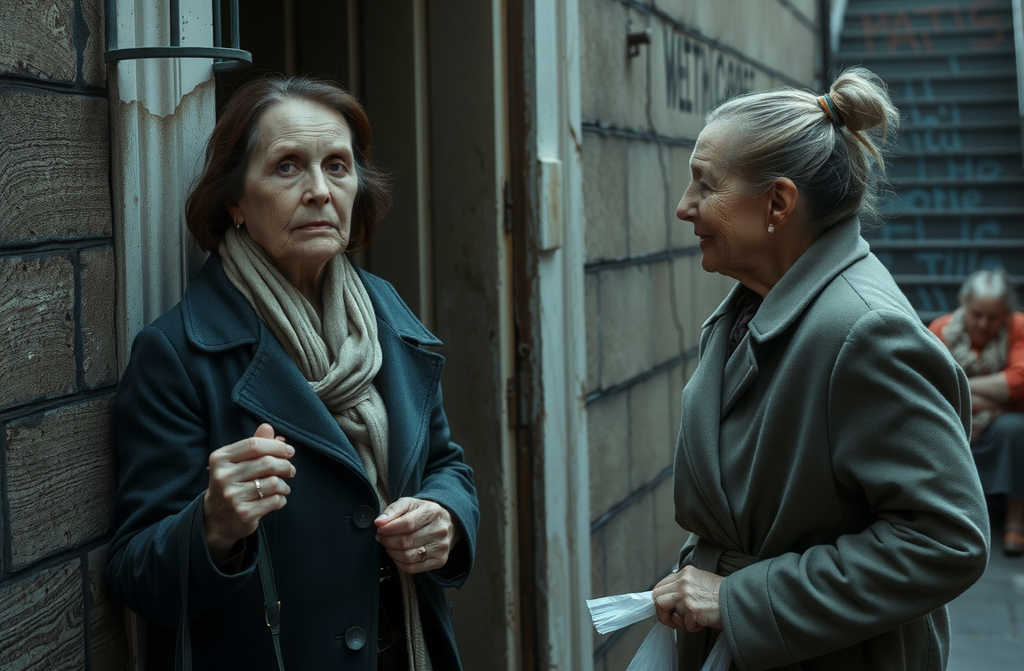
Hey love, you wont believe what happened to me at the shop today. Im 58 now, and there I was at the checkout when I recognised the woman who once stole my husband, and I finally saw just how much my happiness had cost me.
At first it wasnt even her facejust her hands. Thin, dry, veins sticking out. She was loading onto the conveyor a loaf of bread, a carton of milk, a packet of porridge oats, a few chicken legs, some cheap cottage cheese and a little chocolate bar.
She set the chocolate aside at the last second.
The cashier called out the total, the lady fumbled through her handbag, counted the notes and whispered, No need for the chocolate.
When she turned a little, I saw her straight away.
Ethel.
Davids first wife.
The one Id spent the last thirty years telling myself, Well, love doesnt ask permission, does it?
Im 58. Thirty years ago I was twentyeight, working in a project department, wearing bright lipstick and feeling like life was just getting started.
David was nine years older. Not the sort of devilmascot handsome, but the steady, confident type who listened as if I were the only woman in the room.
He was already married. I knew it from day one.
The wedding ring on his finger. A photo of his daughter tucked in his wallet. His usual excuses: The house has been empty for ages, Were just neighbours, Ethel doesnt get me, I stay only for the child.
I still cringe remembering how easily I bought into all that.
Back then it felt special, not dirty or scandalousjust two people who were meant to meet.
Ethel, to me, was never a living person but a hurdle, a line in Davids story: the cold, tired, forevercomplaining wife who didnt look after herself and couldnt understand a mans need for warmth.
Id never actually seen her, but Id already blamed her. Nice and tidy, because if the first wife is bad, Im not the one tearing a family apart. Im somehow the rescuer.
A year later David moved in with me. The breakup was a nightmare, but I only heard his side. Ethel was sobbing, shouting, his daughter locked herself in her room, his mother cursing him over the phone.
He arrived with two suitcases and the look of a man whod finally chosen a life. I felt like a winner, even if I never said it out loud. Inside, I was convinced: he chose me, so Im the better one.
We got married eight months later. And yes, we were happy. No point pretending otherwise.
We genuinely loved each other. Trips to the seaside, renovating the house, the birth of our son. David worked, earned, built a weekend cottage, fixed the car, bought me a pair of boots when he saw the old ones were getting soggy.
His relationship with his daughter from the first marriage grew worse. Hed visit on Sundays at first, then less often, until she stopped answering altogether.
Id tell myself, She just needs time, while secretly feeling relievedbecause Sundays were now ours.
We barely spoke of Ethel. If we did, it was in passing. She kept asking for money, trying to get the kid on her side, refusing to accept that life had moved on. I just nodded. It was convenient to think of Ethel as the angry exwife, because if she was the villain, I wasnt at fault.
Thirty years slipped by. David died two years agoheart attack, quick, at home one morning. I still sometimes set two mugs on the table and then take one away.
Our son is an adult, living on his own. I have a flat, a modest cottage, a pension, a bit of parttime work. Not lavish, but steadythe life David and I built together.
And then that ordinary Saturday I popped into the shop for milk and saw Ethel at the checkout.
Shed aged a lot, though were practically the same age. Her weariness showed more in her shoulders, her gait, her eyes than in any grey hair.
She put the chocolate bar back, grabbed her bag and was about to walk out. I wanted to turn away, honestly, pretend I hadnt recognised her, walk out and forget.
But she looked straight at me and said, Hello, Claire.
I was caught off guard.
Hello, I managed.
We stood by the door while shoppers weaved around us, a boy begged his mum for a chew, someone cursed at an ATM. I stared at the woman whose life Id once split in two, not knowing what people usually say in moments like this.
How are you?the dullest question possible.
She gave a faint smile. Alive, she said, then mentioned shed heard about Davids death from his daughterhis daughter, the same girl whod locked herself in a room when David left with his suitcases.
I asked how she was doing.
Ethel stared, then asked, Do you really want to know?
I didnt answer.
She told me her daughter had been disabled after an accident, could barely walk, couldnt work properly, and they lived together.
I had never heard David mention that. Or maybe he said it and I didnt listen. Or perhaps I never asked.
I offered to give Ethel a lift. Not sure whymaybe I wanted to smooth something over, maybe I wanted, for the first time, to feel less like a victor and more like a person.
She hesitated, then accepted. She looked exhausted, that was clear.
In the car we drove in silence. I kept glancing at her clean old coat, the worn bag, her hair tied in a knot.
It reminded me of something David used to say thirty years ago: Shes stopped being a womaneverythings about the house, about the complaints.
And suddenly I thoughtmaybe she never stopped being a woman. Maybe she was just the one who kept the house, the child, the husband who was already looking elsewhere.
I pulled up outside her blocka old fivestorey council block, peeling door, two elderly ladies chatting on the staircase, curtains drawn on the groundfloor windows.
Ive often thought I should have talked to you, I blurted out.
She didnt turn.
When?
I didnt know.
I dont know back then, she said calmly.
You just wanted to win, I replied, and she didnt argue.
She opened the door, closed it again, and faced me.
You know, I hated you for a long time, she said.
I nodded.
I get it, I said.
No, you dont, she snapped, clutching the bag with both hands. You took away not a man, but my ordinary life.
Those words knocked the wind out of me. I wanted to arguepeople cant be taken if they dont want to go, he was an adult, he left, if the marriage had been fine he wouldnt have left. Id rehearsed those lines for thirty years to protect myself.
But sitting there, with a woman whod just put a chocolate bar back because she couldnt afford it, all my polished retorts felt pathetic.
Ethel spoke quietly, without raising her voice, and it hurt more.
She told me how shed been looking after his mother after a stroke, driving her daughter to appointments, working double shifts, while he came home smelling of my perfume, expecting her to still be bright, light, understanding.
When he walked out, she was thirty, not an old hag, just a woman with a child, a mortgage, a sick motherinlaw that hed also left her to care for for six months while we built a new life.
I didnt know, I whispered.
She turned sharply. Did you want to know?
I didnt answer. Because I didnt want to.
I needed a version where love was stronger than circumstance, where I wasnt to blame, where the first wife had ruined everything, where the man left not out of responsibility but for happiness.
Ethel got out of the car, I followed, not quite sure why.
Im sorry, Claire, she said, tired.
Dont, I begged.
Why?
Because you need it now, not me.
I stood there with the keys in my hand, feeling like a schoolgirl before a stern teacher.
She lowered her voice. Ive survived how I could. Raised my daughter. Kept his mother alive. She called me a stepdaughterinlaw right to the end. Hed pop in once a month with money and guilty eyes, then less and less.
David used to tell me he was helping.
I never asked how much.
He said the daughter was hardheaded, moulded by her mother.
I never asked why.
He said Ethel was strong, shed manage.
I believed him, because if she could manage, then I could be happy without her pain.
At the landing, Ethel stopped and said, Youre not the only one to blame, Claire. He was. But you werent blindyou just didnt look.
She slipped back inside.
I sat in the car for about twenty minutes, then drove home. For the first time in years I looked at my life not as a fairytale romance but as a house patched together from other peoples broken bits.
Everything was as usualmy kitchen, my curtains, a framed photo of David on the shelf, smiling, suntanned, fishing rod in hand.
I used to stare at that picture and think, My husband, my love, my destiny. Now I think, How many people paid the price for him to become mine?
That evening my son called.
Hey Mum, how are you?
I almost said Fine, but I couldnt. I told him Id run into Ethel, that she was struggling, that his sister (the daughter) was disabled. He sighed, Mum, why bring this up now? That was ages ago. Convenient phraseages ago.
It wasnt ages for her, I replied. He fell silent.
After that day I started recalling the things Id neatly sidestepped. How David delayed child support, then bought me a new coat. How we drove to the coast while he told me his daughter didnt need a holiday. How Id get annoyed when Ethel called in the evenings. How once Id said, Maybe we should stop sending her money above the child support? We have a child too. He gave me a strange look and said nothing.
Now Im embarrassednot the theatrical kind that can be transformed, but the raw, sticky, latestage shame.
I cant give Ethel her youth back. I cant put her daughters father next to her. I cant rewrite a honest version of happiness.
All I can do is stop lying, at least now.
A week later I found Ethels number. I stared at my phone, then texted:
Ethel, Im not asking for forgiveness again. Youre right, Id have liked that. If your daughter needs help with doctors or meds, Im willing, no strings attached.
She replied the next day, Ill think about it.
And thats it.
Maybe shell never write back. Maybe shell be right.
I have no right to barge into her life with charity, pretending itll fix anything. But I cant keep pretending nothing happened either.
The strangest part of all this is that I truly loved David. I cant say our life was a lie. There was tenderness, there was a son, there were good years, evenings when he held my hand and I felt happy.
Now, beside that happiness, stands another woman at the checkout, putting the chocolate bar back because she cant afford it. And I cant take it away.
Maybe thats the latestage reckoning. Not that something is taken from you, but that you finally see the full price of what you once grabbed.
Tell me honestly: if a woman stole a married man decades ago, built a happy life, does she have the right years later to ask forgiveness from the woman whose life she upended? Or is the late remorse supposed to sit with the one who spent too long calling anothers pain her destiny?


Rozstanie na jesieni życia w poszukiwaniu partnerki – i odpowiedź, która odmieniła moje życie.

Rozstanie w starszym wieku w poszukiwaniu partnerki – i odpowiedź, która odmieniła moje życieOdpowiedź, którą usłyszałem, sprawiła, że zrozumiałem, iż życie po siedemdziesiątce dopiero się zaczyna.

Julia poleciała dzień wcześniej niż pozostali na jubileusz swojej teściowej, a gdy właśnie siadała w fotelu samolotu, wzdrygnęła się – ktoś niespodziewanie zawołał ją po imieniu…

Julia przyleciała dzień wcześniej na jubileusz swojej teściowej niż pozostali, a gdy właśnie usiadła w fotelu samolotu, wzdrygnęła się – ktoś niespodziewanie zawołał ją po imieniu…

Julia poleciała dzień wcześniej niż pozostali na jubileusz teściowej, a gdy tylko usiadła w fotelu samolotu, wzdrygnęła się – ktoś niespodziewanie zawołał ją po imieniu…

Julia poleciała dzień wcześniej na jubileusz teściowej niż pozostali, a gdy właśnie usiadła w fotelu samolotu, wzdrygnęła się – ktoś niespodziewanie zawołał ją po imieniu…

Gdy moja teściowa dowiedziała się, że chcemy kupić mieszkanie, wzięła mojego męża na stronę. To, co się potem wydarzyło, wstrząsnęło mną do głębi.

Gdy moja teściowa dowiedziała się, że chcemy kupić mieszkanie, wzięła mojego męża na bok. To, co się potem stało, wstrząsnęło mną do głębi.

Jego kpiny stały się jego zgubą – teraz je w mojej kuchni dla potrzebujących.

Jego kpiny okazały się jego zgubą – teraz je w mojej kuchni dla potrzebującychI patrzyłem, jak przełyka gorzką zupę, a w jego oczach gasła ostatnia iskra dawnej pychy.

Część 2: Teściowa oblała mnie wrzącym olejem za odmowę oddania im mojego spadku – mąż uśmiechnął się i zażądał rozwoduW szpitalu, patrząc na swoje poparzone dłonie, wiedziałam, że to nie ja straciłam rodzinę, ale oni stracili mnie na zawsze.

– Ludka, tylko nie padnij… Twój mąż wczoraj młodą z porodówki witał! – wypaliła sąsiadkaLudka poczuła, jak ziemia usuwa jej się spod nóg, ale zamiast upaść, wyprostowała się i spojrzała sąsiadce prosto w oczy z kamienną twarzą.

— Olu, pieniądze z naszego konta wydałem ja.

Mąż zamienił mnie na młodszą i kazał matce pilnować, żebym nie wyniosła rzeczy z jego mieszkania. Ale to on został z niczym.

„Mama żyje z moich pieniędzy” – te słowa zmroziły mnie z przerażenia.

Irena nie patrzyła na nakryty stół, nie na miski z sałatką, nie na drewnianą deskę z resztkami chleba ani na wielki garnek, z którego synowa już nakładała sobie drugą porcję. Patrzyła tylko na swojego męża. Sergiusz siedział na skraju stołu, lekko pochylony, z łokciami obok cukiernicy. Na widok żony nie wstał, nie speszył się i nawet nie próbował udawać, że wszystko stało się przypadkiem. Tylko powoli przeciągnął dłonią po brodzie i odwrócił wzrok w bok, jakby liczył, że Irena najpierw sama rozprawi się z jego rodziną, a z nim porozmawia kiedy indziej. To właśnie ta obojętna pewność siebie drażniła ją najbardziej. Irena wróciła do domu znacznie później niż zwykle. Tego wieczoru musiała wstąpić do serwisu, żeby odebrać telefon po wymianie szkła, potem wpadła do sklepu z artykułami gospodarstwa domowego po nowe filtry do wody, a pod klatką schodową czekała jeszcze dziesięć minut, aż sąsiadka rozładuje windę.

– Chyba wiesz, że dziecko może być nie twoje? – zjadliwie rzuciła teściowa do syna w kuchni.

„Nie będę już wam pomagać – wasz syn odszedł do innej, niech teraz ta pani was utrzymuje” – oświadczyła teściowej Irena.

Krótkie szczęście babciGdy wnuczka wreszcie przyszła z wizytą, babcia zapomniała o wszystkich swoich troskach.

— Zamieszkasz na wsi u moich rodziców. Będziesz ich doglądać, — rozkazał mąż.
Rozstanie na jesieni życia w poszukiwaniu partnerki – i odpowiedź, która odmieniła moje życie.
Rozstanie w starszym wieku w poszukiwaniu partnerki – i odpowiedź, która odmieniła moje życieOdpowiedź, którą usłyszałem, sprawiła, że zrozumiałem, iż życie po siedemdziesiątce dopiero się zaczyna.
Julia poleciała dzień wcześniej niż pozostali na jubileusz swojej teściowej, a gdy właśnie siadała w fotelu samolotu, wzdrygnęła się – ktoś niespodziewanie zawołał ją po imieniu…
Julia przyleciała dzień wcześniej na jubileusz swojej teściowej niż pozostali, a gdy właśnie usiadła w fotelu samolotu, wzdrygnęła się – ktoś niespodziewanie zawołał ją po imieniu…
Julia poleciała dzień wcześniej niż pozostali na jubileusz teściowej, a gdy tylko usiadła w fotelu samolotu, wzdrygnęła się – ktoś niespodziewanie zawołał ją po imieniu…
Część 2: Teściowa oblała mnie wrzącym olejem za odmowę oddania im mojego spadku – mąż uśmiechnął się i zażądał rozwoduW szpitalu, patrząc na swoje poparzone dłonie, wiedziałam, że to nie ja straciłam rodzinę, ale oni stracili mnie na zawsze.
– Ludka, tylko nie padnij… Twój mąż wczoraj młodą z porodówki witał! – wypaliła sąsiadkaLudka poczuła, jak ziemia usuwa jej się spod nóg, ale zamiast upaść, wyprostowała się i spojrzała sąsiadce prosto w oczy z kamienną twarzą.
— Olu, pieniądze z naszego konta wydałem ja.
Mąż zamienił mnie na młodszą i kazał matce pilnować, żebym nie wyniosła rzeczy z jego mieszkania. Ale to on został z niczym.
„Mama żyje z moich pieniędzy” – te słowa zmroziły mnie z przerażenia.
-

 Ciekawostki3 lata ago
Przyszła synowa została u nas na noc. Rano odwiedziła nas moja siostrzenica i okazało się, że ona i narzeczona syna się znają. A następnego dnia przyjechała jego przyszła teściowa razem z córką i urządziły straszną awanturę. Z jakiegoś powodu moja siostrzenica powiedziała synowej, że ja i mój mąż nie będziemy im pomagać po ślubie i jeszcze że chcemy sprzedać samochód naszego syna. W rezultacie ślub się nie odbył
-

 Ciekawostki4 lata ago
Brat przybiegł wcześnie rano, jak tylko dowiedział się, co zrobili rodzice
-

 Rodzina5 lat ago
Obaj moi synowie są żonaci. Moje synowe diametralnie się od siebie różnią – jedna siedzi z telefonem na kanapie, a druga szykuje jedzenie dla wszystkich. Ilona mieszka z nami i nie chce jej się nic robić. Pewnego dnia nie mogłam się powstrzymać i ją zawstydziłam, mówiąc, że u niej zawsze jest brudno. Teraz nikt w domu ze mną nie rozmawia
-

 Historie4 lata ago
„To u was można brać prysznic dłużej niż 30 minut?” – usłyszałam od koleżanki, która mieszka w Niemczech