
Uncategorized
— „I want things back the way they were; I realize I was wrong to leave. I miss you. When can I return?” naively asked the man who abandoned her with the children.
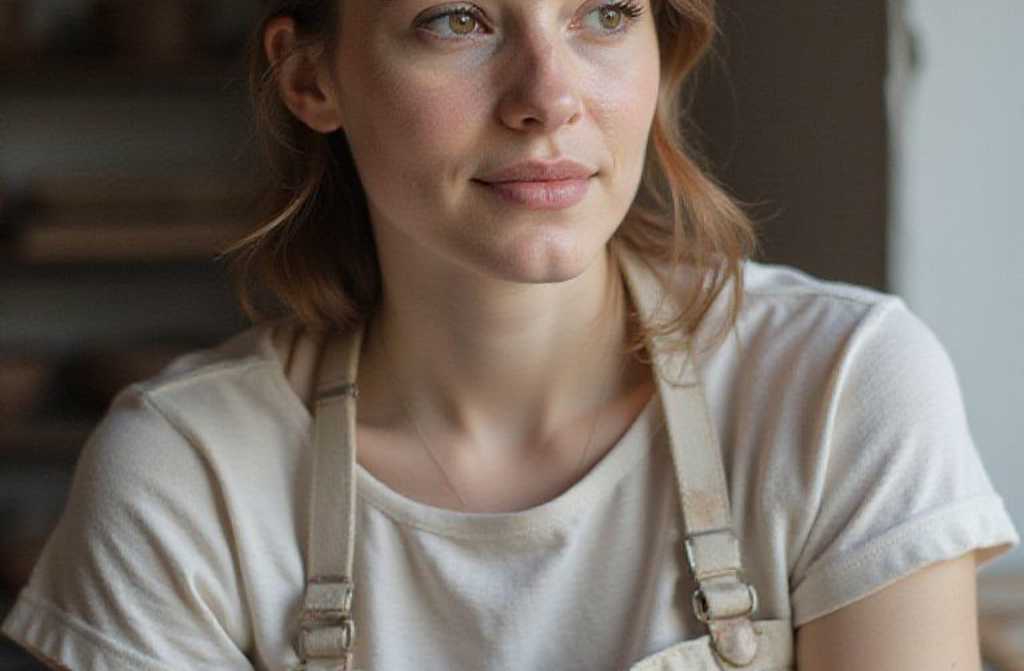
She remembered standing in the queue for forty minutes. Four people ahead of her, six more behind. The paperwork for the housing benefit had been gathered in advance, neatly filed in a clear plastic folder.
She was scrolling through her phone when she heard the voice.
“Alice? Alice, is that you?”
She looked up. George stood at the next window, slightly sideways, as if he had turned by accident. He wore a crumpled jacket, buttoned crookedly. Under his left eye a yellowish bruise was fading, still visible.
“Hello,” she said flatly.
“What a surprise!” George smiled broadly, theatrically. “Two years, eh? Time flies.”
He moved closer, stood beside her as if they had arranged it. Alice did not step back, but she did not move towards him either. She looked at him calmly, without expression.
“You look well,” he said. “Really. Something’s different. New haircut?”
“Same one,” Alice replied.
“No, definitely something. Have you lost weight? Or got a tan?” He squinted, examining her, and she noticed a twitch at the corner of his mouth.
Behind the forced cheerfulness was something else. Uncertainty. Or the habit of hiding awkwardness with words.
“Remember that trip to Birmingham?” George said. “Jack dropped his ice cream on his shoe, and Daisy was comforting him. She was funny. She was three then, right?”
“Four,” Alice corrected.
“Four, that’s right. Good times.”
Alice said nothing. The queue moved forward by one person. She took a step ahead.
“How are you, anyway?” George asked, leaning a little closer. “Managing?”
“Managing.”
“The kids?”
“Growing.”
“Jack in school?”
“Yes.”
George paused. Then he shifted his weight from foot to foot.
“Well. Good to see you. If you ever…”
“I need to go,” Alice said. “My window’s free.”
She turned and walked to the counter. Took out her documents and placed them in front of the clerk. Her hands moved steadily, automatically.
When she looked back ten minutes later, George was gone.
“Hi,” Alice said, taking off her shoes.
“Hi!” Daisy looked up. “Did you buy the glaze?”
“Yes. Two jars. Teal and terracotta.”
“Can I try it?”
“Tomorrow. It has to sit today.”
Jack did not look up. Alice came over and placed her hand on the top of his head. He leaned back slightly, a familiar gesture.
“Hungry?” she asked.
“A bit.”
“I’ll warm up the stew. Fifteen minutes.”
The evening passed quietly. The children ate supper; Daisy fell asleep early, Jack went to his room. Alice sat down at her worktable, where four unfinished mugs stood – an order from a café on the High Street. The clay was damp, obedient. She picked up a loop tool and began trimming.
But her fingers moved absently.
She set the tool down. Closed her eyes. George stood before her – crumpled, bruised, with that clumsy smile. Two years ago he had packed his things into a sports bag, said “I need to be alone,” and closed the door behind him.
Alice had not cried then. She washed the dishes, put the children to bed, and sat at the potter’s wheel until four in the morning. Next morning she dropped Jack at school and signed up for a firing course.
Now she could not sleep again. But the reason was different. Not pain. Not longing. Something like wariness. An instinct that told her: he would come back.
The next morning the doorbell rang. Poppy stood on the doorstep with a bag from which a corner of foil poked out, and a box of white earthenware clay.
“I brought apple cake and two kilos of earthenware clay,” she said instead of a greeting.
“Come in,” Alice stepped back.
Poppy went through to the kitchen, put the bag on the table, sat down on a stool. She always sat like that – straight away, without ceremony.
“So, tell me,” Poppy said. “Your voice on the phone sounded strange.”
“I saw George. Yesterday. At the Job Centre.”
Poppy froze with a knife in her hand.
“And?”
“He was standing in the queue. A bruise under his eye. Crumpled jacket. Smiling as if everything was fine.”
“Classic,” Poppy cut a slice of cake. “What did he say?”
“He remembered Birmingham. Said I looked good. Asked about the children.”
“And you?”
“Short answers. Left when my turn came.”
Poppy was silent. Then she put the knife down.
“Alice, I’ll say it straight. You know I always speak straight.”
“I know.”
“Two years ago that man got up and left. Not because you quarrelled. Not because something terrible happened. He left because he got bored. Or felt trapped. Or decided he deserved something better.”
“Poppy…”
“Wait. In those two years you built your orders from nothing. You made a name for yourself. Three cafés use your pottery. The kids are fed, clothed, in a good school. You did it all alone. And now he stands in a queue with a bruise and talks about ice cream in Birmingham.”
Alice was quiet.
“He’ll try to come back,” Poppy said. “It’s a matter of days. The bruise, the messy clothes, the pitiful look – that’s all preparation. First pity, then ‘I’ve changed,’ then ‘let’s try again.’”
“Maybe I’m wrong,” Alice said softly. “Maybe he really…”
“No,” Poppy shook her head. “Alice, you’re not wrong. You’re just kind. Those are different things.”
The message came two days later. Short, polite: “Alice, can we meet? To talk. Nothing serious, just talk.”
Alice read it sitting at the potter’s wheel. The clay spun under her fingers, soft and yielding. She turned off the wheel. Wiped her hands with a towel. Wrote back: “Park by the school. Tomorrow at twelve.”
He came without the bruise. Shaved, in a clean shirt. Sat on the bench beside her, leaving half a metre between them.
“Thanks for agreeing,” he said.
“I’m listening.”
“When I left…” He paused, searching for words. “The first few months I felt free. You know – that feeling when you can do whatever you want, whenever you want. No responsibilities.”
“And then the freedom ran out. There was just emptiness.”
Alice looked straight ahead.
“I miss Jack,” George continued. “And Daisy. And you. And home. The evenings when you were potting and I read to the children. The smell of clay in the kitchen.”
“George, what are you getting at?”
“Can I come over? Just to have supper with the kids. Once. I’m not asking for anything. Just to see them.”
Alice was silent a long time. A minute, maybe two.
“All right,” she said finally. “One supper. You’re a guest. That’s all.”
“Of course.”
“That means: you come, eat, talk to the children, and leave. No talk about the past. No promises. Nothing.”
“I understand.”
“Saturday. Six o’clock.”
She stood up and walked away without looking back.
At home she told the children.
“Jack, Daisy. Your father is coming for supper on Saturday.”
Daisy looked up. “Dad?”
“Yes.”
“For long?”
“For supper. He’ll eat with us and leave.”
Jack was quiet. Then he asked, “Why?”
Alice sat down beside him.
“He asked. He wants to see you.”
“I said yes. Just once.”
Jack nodded. His face was serious, old beyond his years.
Saturday came quickly. Alice cooked chicken and potatoes – simple, no fuss. Set the table for four. Brought out the plates – her own, hand-thrown, with uneven rims and teal glaze.
George arrived at exactly six. With a bag – juice, sweets, a colouring book for Daisy.
“Hi,” he said from the doorstep.
“Come in. Take off your shoes.”
Daisy ran out first. Stopped a step away, studying him.
“Hi, Daisy,” George crouched down.
“You’ve got a beard,” she said.
“Yes. Grew it a bit.”
“Is it prickly?”
“A little,” he smiled.
Jack came out of his room. Nodded. Sat at the table.
The supper passed peacefully. George asked about school, about drawing, about plasticine animals. Daisy told him about her friend Lily and how they built a fort from blankets. Jack answered briefly but without hostility.
Alice hardly spoke. She served food, cleared plates, poured tea.
When the children went to their room, George stayed at the table.
“Lovely plates,” he said, running a finger along the rim. “Did you make them?”
“Yes.”
“Very talented.”
“Thank you.”
He paused. Then he said, “Alice, I still love you.”
Alice set her cup down. Slowly, carefully.
“George.”
“Wait, let me speak. I know I left. I know it was wrong. But I’ve changed. Truly changed. I thought about you every day.”
“Every day for two years is seven hundred and thirty days,” Alice said. “And not one phone call.”
“I was ashamed.”
“Shame is not an excuse. It’s a cop-out.”
He reached out, tried to touch her hand. Alice pulled her hand back – gently but firmly.
“No,” she said.
“Alice…”
“You were a guest. The terms were clear. Supper is over.”
George looked at her. Something flickered in his eyes – hurt, surprise, maybe anger.
“Fine,” he said. “I understand.”
He stood up, put on his jacket, buttoned it. Turned at the door.
“Can I come again?”
“I’ll think about it.”
The door closed. Alice cleared the remaining dishes, washed them, put them away. Then she sat at the wheel and worked until midnight.
Four days later George came again. Unannounced. With a bouquet – white chrysanthemums wrapped in kraft paper.
Alice opened the door and saw the flowers before his face.
“I didn’t invite you,” she said.
“I know. But I had to come. Alice, I want to come back.”
She stood in the doorway, not letting him in.
“Come back to what?”
“Home. To you, to the children.”
“This isn’t your home, George. Not for two years.”
“But they’re my children.”
“The children – yes. Home – no.”
He shifted his weight. The flowers swayed in his hand.
“Alice, give me a chance. A real chance. I’ll get a job, I’ll help. I’ll be there. Everything will be like before.”
“I don’t want ‘like before,’” Alice said. “‘Before’ was me alone with two children and a husband who stared at the ceiling and dreamed of freedom. ‘Before’ was me waiting. I don’t wait anymore.”
“You’re angry.”
“No. I’m stating facts. Big difference.”
“You won’t even let me into the flat.”
“Because you came without an invitation. With flowers. With a ready plan. You didn’t even ask if I wanted it.”
“And you don’t?”
“No,” Alice said. “I don’t.”
George lowered the flowers.
“I don’t believe you,” he said. “I don’t believe that two years can erase everything. That doesn’t happen.”
“It does. When a person leaves without a word, and you’re left with two children, an empty fridge, and thirty pounds in your account – it happens. When you learn to throw pots at night because there’s no time in the day – it happens. When Daisy asks ‘where’s Daddy?’ and you don’t know what to say – it happens. Everything passes, George.”
“I made a mistake.”
“Yes. You did.”
“And you won’t forgive me?”
Alice looked at him – straight, without anger, without pity.
“I forgave you long ago. Forgiveness and coming back are different things. I forgave so I could move on. But there’s nothing to come back to. The home you left no longer exists. There’s a different one. Mine.”
George stood silent. The bouquet hung limp at his side.
“You can see the children,” Alice said. “By arrangement. On weekends. If they want. But not here. And not like this.”
“Like what?”
“Not with flowers and promises. Not with an attempt to bring back what you broke. Honestly. Simply. As a father who comes for his children – and leaves.”
“That’s cruel,” he said quietly.
“No, George. Cruel is leaving without explanation. Cruel is two years of silence. Cruel is coming with a bruise and talking about Birmingham when your daughter has forgotten your voice. That is cruel. What I’m doing is order.”
He stood for another half-minute. Then he held out the flowers to her.
“Take them at least. Throw them away if you want.”
Alice did not take them.
“Go,” she said. “Quietly, without a scene. When you’re ready to talk about the children – text me. I’ll reply.”
George nodded. Turned. Walked down the stairs, holding the bouquet in his lowered hand.
Alice closed the door. Turned the lock. Stood for a second with her back against it.
Then she straightened, went back to the kitchen, and put the kettle on.
The phone rang an hour later. Poppy.
“Well?”
“He came. With flowers. Asking to come back.”
“You refused.”
“How was he?”
“Lost. Hurt. But he left quietly.”
“You did well,” Poppy said. “Seriously.”
“I didn’t do well. I just know what I don’t want.”
“That is ‘doing well.’ Most people don’t know. Or they know but are afraid to say.”
“I wasn’t afraid,” Alice said. “I was clear. For the first time in all this – absolutely clear.”
“Drink your tea. Go to bed early. Tomorrow will be an ordinary day.”
“Yes. Ordinary. That’s good.”
Morning came without anxiety. Light lay on the floor in slanting stripes. Alice woke at seven, as always, and went to the kitchen.
She took out flour, eggs, cottage cheese. Made the dough for cottage-cheese pancakes – familiar, precise movements. The pan heated; the oil sizzled.
Daisy appeared first – barefoot, clutching a stuffed rabbit.
“Pancakes?” she asked.
“Pancakes.”
“With jam?”
“With jam.”
Jack came out five minutes later. Sat at the table, pulled his plate towards him. The plate was warm sand-colour – Alice had made it the month before, especially for breakfasts.
They ate in silence. Then Jack put down his fork.
“Will he come again?” he asked.
Alice looked at her son. He was ten, but sometimes seemed twenty.
“I don’t know,” she said. “Maybe he’ll see you on weekends. If you want.”
“I don’t. I’ve got nothing to say to him.”
“Why?”
“Because he wanted to bring back what was. But what was is gone. What is – is now. And now is better.”
Jack nodded. Paused.
“Your plates are beautiful,” he said.
Alice smiled.
“Thanks, Jack.”
“Seriously. I told the kids at school. They wanted to see them.”
“I’ll give you one to take. The one with the birch pattern.”
“Can I have the blue one? With the crack on the side?”
“Yes. But be careful.”
Daisy looked up from her plate.
“Can I have one too?”
“I’ll make you a special one. What do you want?”
“A cat.”
“Deal.”
After breakfast Alice checked her email. Two new orders – a set of bowls for a tea shop and a series of decorative platters for a restaurant on Maroseyka Street. She noted the dimensions, calculated the glaze, sketched ideas in her notebook.
The phone lay beside her. No messages from George. And Alice knew there wouldn’t be – not today. Maybe tomorrow. Maybe in a week. But whatever he wrote, the answer already existed. Clear, final, spoken aloud.
She switched on the wheel. Placed a lump of clay in the centre. Wet her hands.
The clay yielded, as always. Soft, obedient. The walls of the bowl rose under her fingers – even, thin, alive.
Daisy looked into the room.
“Pretty,” she said.
“It’s a bowl. For tea.”
“Can I try?”
“Sit next to me. Here’s a piece.”
Daisy sat on a low stool, took the clay and began to knead it with her fingers. Concentrated, biting her lip.
Alice worked. Light fell on the table, on her hands, on the damp clay. Everything was in its place. The plates stood in the drying rack – the very ones they had just eaten from. The sketches lay in the notebook. The orders waited their turn.
She had nothing to prove. Not to him, not to herself. The life she had built in those two years spoke for itself – quietly, confidently, without need of words.
She was no longer waiting for anyone. And that was not loneliness. It was an even, calm knowledge: everything she needed was already here.
The clay turned. The bowl took shape.
Alice worked.


Rozstanie na jesieni życia w poszukiwaniu partnerki – i odpowiedź, która odmieniła moje życie.

Rozstanie w starszym wieku w poszukiwaniu partnerki – i odpowiedź, która odmieniła moje życieOdpowiedź, którą usłyszałem, sprawiła, że zrozumiałem, iż życie po siedemdziesiątce dopiero się zaczyna.

Julia poleciała dzień wcześniej niż pozostali na jubileusz swojej teściowej, a gdy właśnie siadała w fotelu samolotu, wzdrygnęła się – ktoś niespodziewanie zawołał ją po imieniu…

Julia przyleciała dzień wcześniej na jubileusz swojej teściowej niż pozostali, a gdy właśnie usiadła w fotelu samolotu, wzdrygnęła się – ktoś niespodziewanie zawołał ją po imieniu…

Julia poleciała dzień wcześniej niż pozostali na jubileusz teściowej, a gdy tylko usiadła w fotelu samolotu, wzdrygnęła się – ktoś niespodziewanie zawołał ją po imieniu…

Julia poleciała dzień wcześniej na jubileusz teściowej niż pozostali, a gdy właśnie usiadła w fotelu samolotu, wzdrygnęła się – ktoś niespodziewanie zawołał ją po imieniu…

Gdy moja teściowa dowiedziała się, że chcemy kupić mieszkanie, wzięła mojego męża na stronę. To, co się potem wydarzyło, wstrząsnęło mną do głębi.

Gdy moja teściowa dowiedziała się, że chcemy kupić mieszkanie, wzięła mojego męża na bok. To, co się potem stało, wstrząsnęło mną do głębi.

Jego kpiny stały się jego zgubą – teraz je w mojej kuchni dla potrzebujących.

Jego kpiny okazały się jego zgubą – teraz je w mojej kuchni dla potrzebującychI patrzyłem, jak przełyka gorzką zupę, a w jego oczach gasła ostatnia iskra dawnej pychy.

Część 2: Teściowa oblała mnie wrzącym olejem za odmowę oddania im mojego spadku – mąż uśmiechnął się i zażądał rozwoduW szpitalu, patrząc na swoje poparzone dłonie, wiedziałam, że to nie ja straciłam rodzinę, ale oni stracili mnie na zawsze.

– Ludka, tylko nie padnij… Twój mąż wczoraj młodą z porodówki witał! – wypaliła sąsiadkaLudka poczuła, jak ziemia usuwa jej się spod nóg, ale zamiast upaść, wyprostowała się i spojrzała sąsiadce prosto w oczy z kamienną twarzą.

— Olu, pieniądze z naszego konta wydałem ja.

„Mama żyje z moich pieniędzy” – te słowa zmroziły mnie z przerażenia.

Mąż zamienił mnie na młodszą i kazał matce pilnować, żebym nie wyniosła rzeczy z jego mieszkania. Ale to on został z niczym.

Irena nie patrzyła na nakryty stół, nie na miski z sałatką, nie na drewnianą deskę z resztkami chleba ani na wielki garnek, z którego synowa już nakładała sobie drugą porcję. Patrzyła tylko na swojego męża. Sergiusz siedział na skraju stołu, lekko pochylony, z łokciami obok cukiernicy. Na widok żony nie wstał, nie speszył się i nawet nie próbował udawać, że wszystko stało się przypadkiem. Tylko powoli przeciągnął dłonią po brodzie i odwrócił wzrok w bok, jakby liczył, że Irena najpierw sama rozprawi się z jego rodziną, a z nim porozmawia kiedy indziej. To właśnie ta obojętna pewność siebie drażniła ją najbardziej. Irena wróciła do domu znacznie później niż zwykle. Tego wieczoru musiała wstąpić do serwisu, żeby odebrać telefon po wymianie szkła, potem wpadła do sklepu z artykułami gospodarstwa domowego po nowe filtry do wody, a pod klatką schodową czekała jeszcze dziesięć minut, aż sąsiadka rozładuje windę.

– Chyba wiesz, że dziecko może być nie twoje? – zjadliwie rzuciła teściowa do syna w kuchni.

„Nie będę już wam pomagać – wasz syn odszedł do innej, niech teraz ta pani was utrzymuje” – oświadczyła teściowej Irena.

Krótkie szczęście babciGdy wnuczka wreszcie przyszła z wizytą, babcia zapomniała o wszystkich swoich troskach.

— Zamieszkasz na wsi u moich rodziców. Będziesz ich doglądać, — rozkazał mąż.
Rozstanie na jesieni życia w poszukiwaniu partnerki – i odpowiedź, która odmieniła moje życie.
Rozstanie w starszym wieku w poszukiwaniu partnerki – i odpowiedź, która odmieniła moje życieOdpowiedź, którą usłyszałem, sprawiła, że zrozumiałem, iż życie po siedemdziesiątce dopiero się zaczyna.
Julia poleciała dzień wcześniej niż pozostali na jubileusz swojej teściowej, a gdy właśnie siadała w fotelu samolotu, wzdrygnęła się – ktoś niespodziewanie zawołał ją po imieniu…
Julia przyleciała dzień wcześniej na jubileusz swojej teściowej niż pozostali, a gdy właśnie usiadła w fotelu samolotu, wzdrygnęła się – ktoś niespodziewanie zawołał ją po imieniu…
Julia poleciała dzień wcześniej niż pozostali na jubileusz teściowej, a gdy tylko usiadła w fotelu samolotu, wzdrygnęła się – ktoś niespodziewanie zawołał ją po imieniu…
Część 2: Teściowa oblała mnie wrzącym olejem za odmowę oddania im mojego spadku – mąż uśmiechnął się i zażądał rozwoduW szpitalu, patrząc na swoje poparzone dłonie, wiedziałam, że to nie ja straciłam rodzinę, ale oni stracili mnie na zawsze.
– Ludka, tylko nie padnij… Twój mąż wczoraj młodą z porodówki witał! – wypaliła sąsiadkaLudka poczuła, jak ziemia usuwa jej się spod nóg, ale zamiast upaść, wyprostowała się i spojrzała sąsiadce prosto w oczy z kamienną twarzą.
— Olu, pieniądze z naszego konta wydałem ja.
„Mama żyje z moich pieniędzy” – te słowa zmroziły mnie z przerażenia.
Mąż zamienił mnie na młodszą i kazał matce pilnować, żebym nie wyniosła rzeczy z jego mieszkania. Ale to on został z niczym.
-

 Ciekawostki3 lata ago
Przyszła synowa została u nas na noc. Rano odwiedziła nas moja siostrzenica i okazało się, że ona i narzeczona syna się znają. A następnego dnia przyjechała jego przyszła teściowa razem z córką i urządziły straszną awanturę. Z jakiegoś powodu moja siostrzenica powiedziała synowej, że ja i mój mąż nie będziemy im pomagać po ślubie i jeszcze że chcemy sprzedać samochód naszego syna. W rezultacie ślub się nie odbył
-

 Ciekawostki4 lata ago
Brat przybiegł wcześnie rano, jak tylko dowiedział się, co zrobili rodzice
-

 Rodzina5 lat ago
Obaj moi synowie są żonaci. Moje synowe diametralnie się od siebie różnią – jedna siedzi z telefonem na kanapie, a druga szykuje jedzenie dla wszystkich. Ilona mieszka z nami i nie chce jej się nic robić. Pewnego dnia nie mogłam się powstrzymać i ją zawstydziłam, mówiąc, że u niej zawsze jest brudno. Teraz nikt w domu ze mną nie rozmawia
-

 Historie4 lata ago
„To u was można brać prysznic dłużej niż 30 minut?” – usłyszałam od koleżanki, która mieszka w Niemczech